Making Indigenous Criminal Justice Information Easier to Find, Understand & Use
IndigeData connects fragmented Indigenous criminal justice information from across tribes, jurisdictions, and public records, making it easier for communities, researchers, journalists, students, and the public to find and understand the bigger picture.

Indigenous Justice. Connected.
A New Way to Explore Indigenous Criminal Justice
Explore information across tribes, crimes, locations, jurisdictions, and case outcomes—all in one place.

Connected Across Jurisdictions
Explore information across tribal, federal, state, and local justice systems—not just one jurisdiction at a time.

Organized Around the Case
Explore information by tribe, crime, location, year, case status, and outcome to see how different pieces of information connect.

Open to Community Knowledge
Create a pathway for communities and individuals to identify cases and information that may be missing from existing records.
About IndigeData
About IndigeData
IndigeData was created from a simple observation: important information about Indigenous people and the criminal justice system exists, but it is often difficult to see the bigger picture.
The idea is to bring a different perspective to that information—one that recognizes tribal identity, community context, and the connections between individual cases.
IndigeData is being developed as a long-term public resource built to grow over time. We believe better access to information can lead to better questions, deeper understanding, and more informed conversations about Indigenous communities and justice.

Our Process
IndigeData follows a structured process to identify, document, verify, and organize Indigenous criminal justice cases into a centralized, searchable resource.


Find & Gather
Identify cases and collect information from reliable sources, including court records, public records, news reports, government sources, and other available documentation.

Verify & Organize
Review information across sources, document what can be confirmed, note what remains uncertain, and organize each case using consistent data fields and categories.

Build & Improve
Add verified case information to the database and continue strengthening the record as new cases, information, corrections, and community contributions become available.
Who It’s For
IndigeData brings Indigenous criminal justice information together so it can be explored, researched, and used in ways that support communities, education, research, and advocacy.
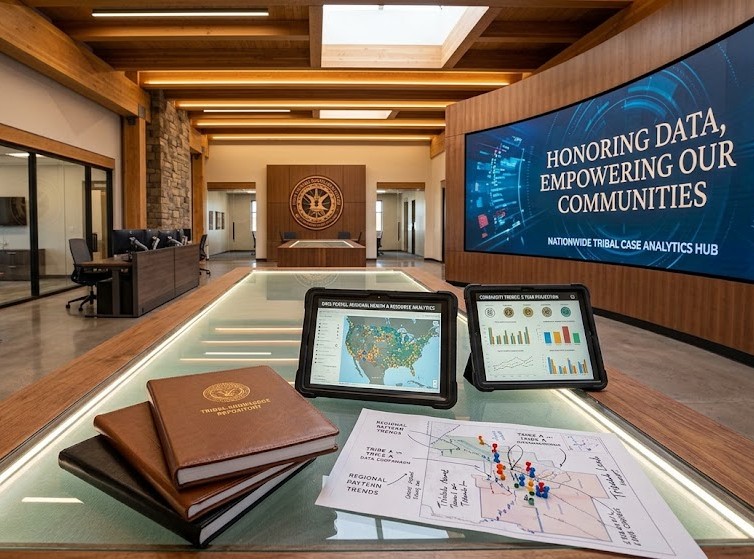
For Communities
Find information about cases involving Indigenous people and communities, explore what is happening across different places and tribes, and use the data to better understand issues that affect Native communities.
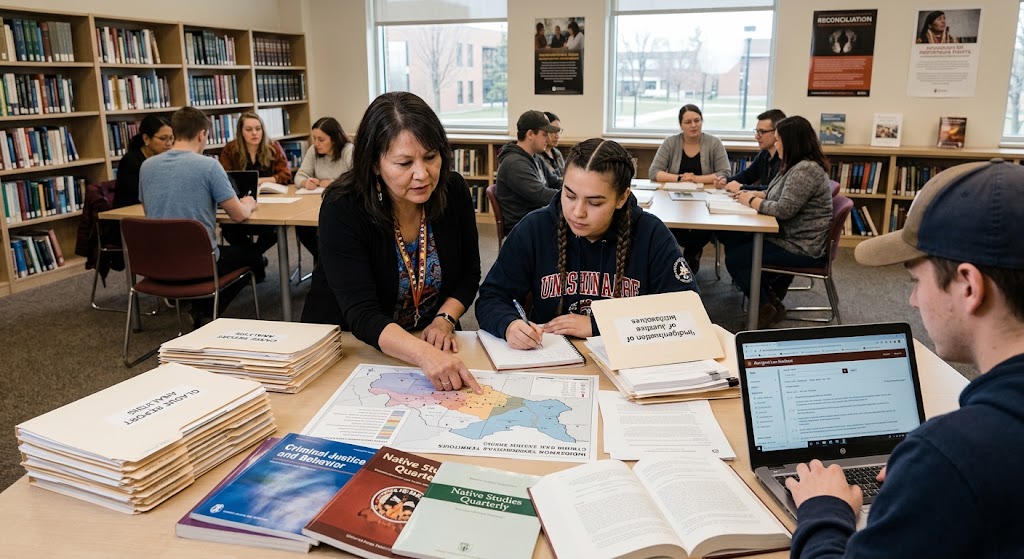
For Research & Education
Explore cases and criminal justice information in one place to support research, classroom learning, student projects, and deeper questions about Indigenous criminal justice.
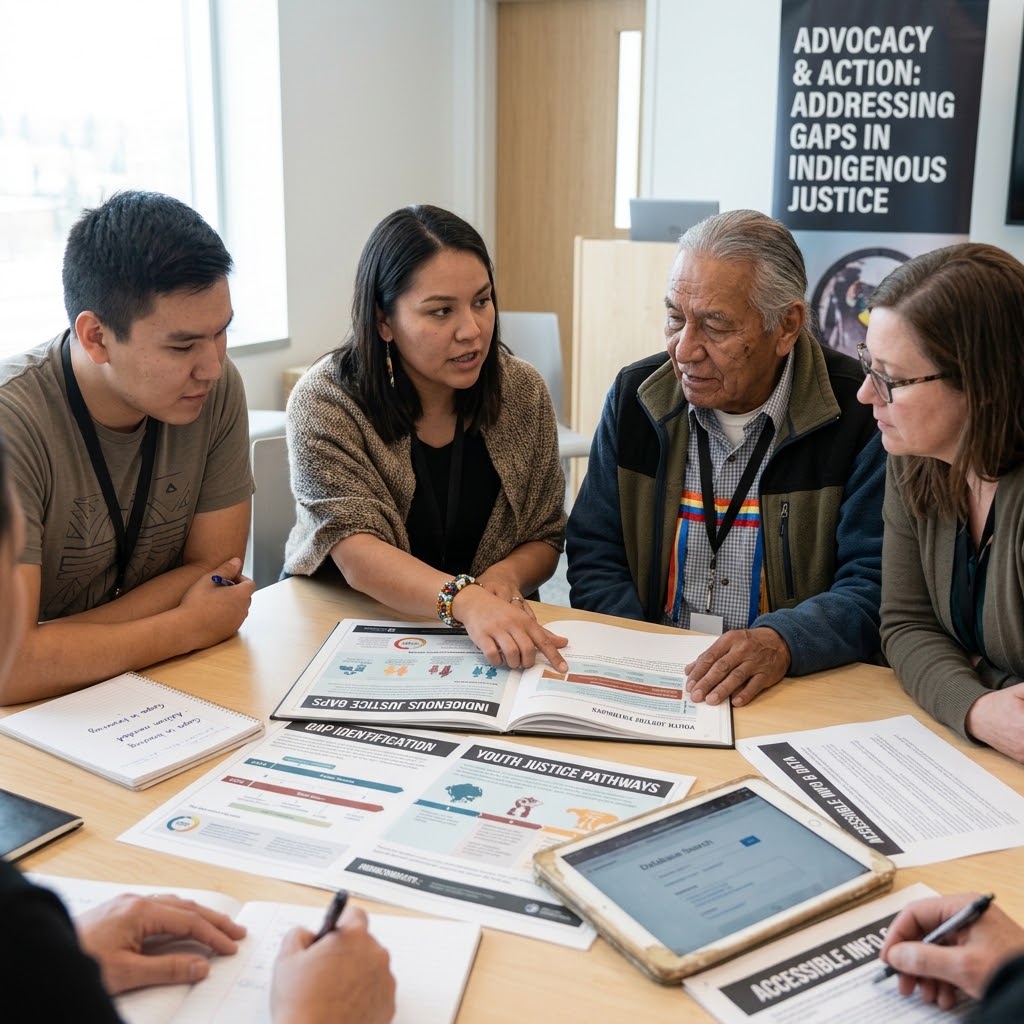
For Advocacy & Action
Use accessible information to bring greater visibility to Indigenous criminal justice issues, identify gaps in what is known, and support informed conversations and action.